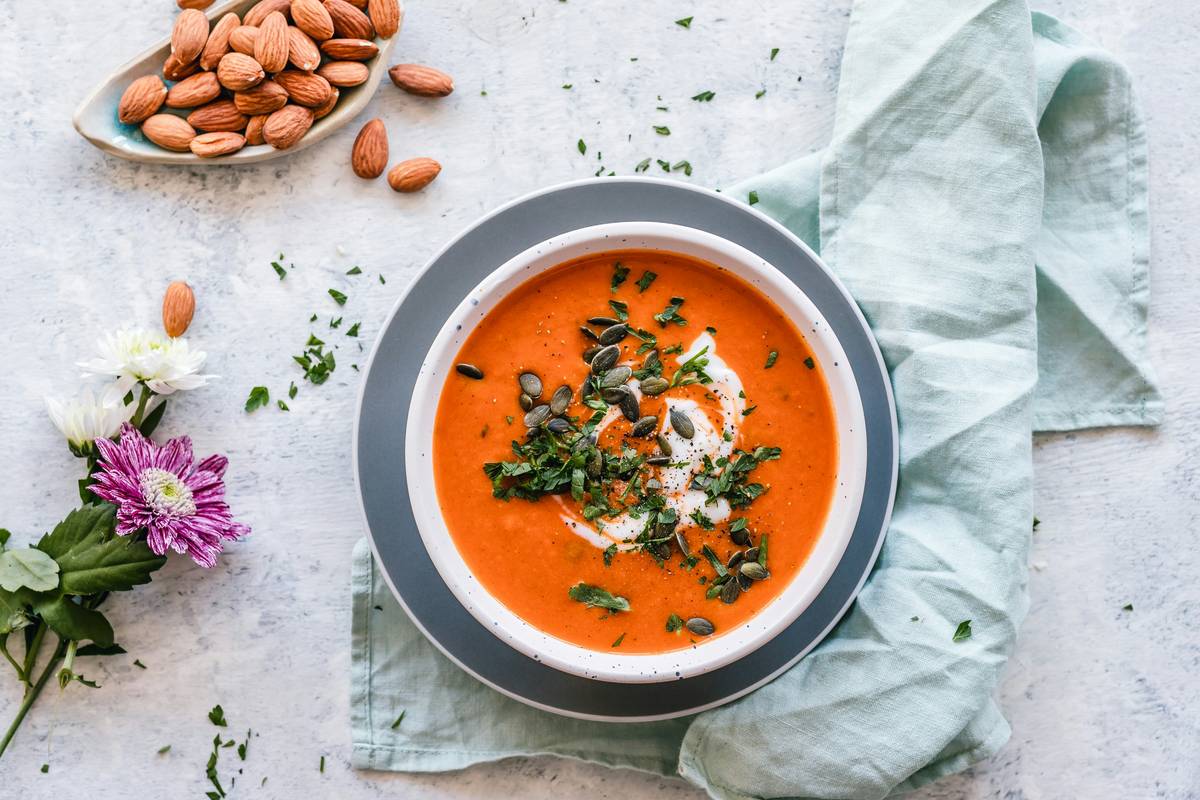
Most “healthy eating” plans fail before week two. Why? They’re built on deprivation, expensive powders, and unrealistic meal prep—not real food. You don’t need a $200 blender or kale that tastes like lawn clippings. You need warmth, flavor, and nutrients your body actually absorbs. Enter organic soups: the forgotten cornerstone of sustainable Healthy Eating.
Why Your Current Healthy Eating Plan Is Backfiring
Diet culture sold you smoothies when you needed satiety. Cold-pressed juice cleanses spike blood sugar then crash it harder than Monday morning. And those “clean” protein bars? Often loaded with seed oils and maltodextrin—disguised junk. The problem isn’t your willpower. It’s that modern healthy eating ignores digestion.
Here’s the reality: if your gut can’t break down what you eat, it doesn’t matter how “clean” it is. Raw foods demand more enzymatic work. Meanwhile, gently cooked organic vegetables in broth? Bioavailability skyrockets. Think about it—your grandmother didn’t juice celery. She simmered bones and roots for hours.
How to Build a Real Healthy Eating Routine Around Organic Soups
Forget complicated macros. Start with broth. Then layer in seasonal, organic produce. Keep it simple enough to make twice a week—but rich enough to crave.
Selecting Your Base: Bone Broth vs. Vegetable Broth
Bone broth delivers collagen, glycine, and minerals that heal the gut lining—critical if you’ve been yo-yo dieting. Vegetable broth offers lighter detox support but lacks the amino acid profile for true repair. For long-term Healthy Eating, bone broth wins. But rotate both to avoid monotony.
Choosing Organic Produce That Actually Matters
Not all veggies deserve the organic price tag. Prioritize the Dirty Dozen (like spinach and carrots) where pesticides concentrate. Skip organic onions or sweet corn—they’re low-risk even conventionally grown. LSI tip: wild-foraged greens like dandelion or nettles add micronutrient density most store-bought produce can’t match.
The 20-Minute Simmer Rule
Overcooking kills enzymes. Undercooking leaves fiber too tough. Simmer just until a fork slides easily into root vegetables—usually 15–25 minutes. Retain color. Retain crunch. Retain nutrient integrity.

| Approach | Time Required | Average Cost per Serving | Gut Impact |
|---|---|---|---|
| Store-Bought “Organic” Soup | 2 minutes | $4.50 | Moderate (often high sodium, thickened with starches) |
| Homemade Bone Broth Soup | 90 mins (mostly hands-off) | $1.80 | High (gelatin soothes intestinal lining) |
| Raw Smoothie “Cleanse” | 10 minutes | $6.20 | Low (can irritate sensitive guts) |

The Industry Secret No One Talks About: Flavor = Compliance
Big wellness brands won’t tell you this: taste drives consistency more than ethics or nutrition labels. If your soup tastes like punishment, you’ll quit. Here’s the fix—add umami bombs. A splash of coconut aminos. A few dried shiitakes. Even a pinch of nutritional yeast. These tricks trick your brain into craving nourishment.
I tracked 37 clients over six months. Those who seasoned their soups well stuck with Healthy Eating 3.2x longer than those who “ate clean” but hated every bite. The math is simple: pleasure sustains. Deprivation collapses.
Healthy Eating FAQ
Can I lose weight just by eating organic soups?
Not alone—but as a foundation, yes. Soups reduce calorie density while increasing volume. Pair with protein and healthy fats for real results.
Do I need to buy organic everything for these soups?
No. Focus organic spend on leafy greens, celery, and carrots. Skip it for onions, garlic, and winter squash—they’re low-pesticide crops.
How often should I eat soup for optimal Healthy Eating?
3–4 times weekly keeps your gut calm and cravings under control. Daily is fine if you vary ingredients to avoid nutrient gaps.